Tampilkan postingan dengan label asia. Tampilkan semua postingan

The Real Story Behind the Taj Mahal: More Than Just a Symbol of Love

Let’s be honest—when you hear the name Taj Mahal, the first thing that probably comes to mind is love. And not just any love, but the kind of epic, tragic romance that belongs in a Netflix drama.

But what if I told you the real story of the Taj Mahal is way more layered than that? It’s not just about a grieving emperor and his beloved queen. It’s about power, politics, money, and one of the most impressive architectural feats of all time.

taj-mahal-history-who-built-and-why

Today, we’re going to dig into the full story: what the Taj Mahal really is, how it was built, who built it, and why it still blows people away almost 400 years later.

What Is the Taj Mahal, Really?

Most people know it as a mausoleum, and that’s true. It was built as a tomb for Mumtaz Mahal, the favorite wife of Mughal Emperor Shah Jahan. But calling it just a tomb is like calling the Eiffel Tower “a tall building.”

The Taj Mahal is a masterpiece of Mughal architecture, blending Persian, Islamic, and Indian design. It’s symmetrical, mathematical, and utterly mesmerizing. And let’s not forget—it’s one of the New Seven Wonders of the World, not to mention a UNESCO World Heritage Site.

It sits on the southern bank of the Yamuna River in Agra, India, and no matter how many photos you’ve seen, nothing compares to standing in front of it in real life. It glows—especially at sunrise.

Who Built the Taj Mahal?

Here’s where things get really interesting.

The Short Answer: Shah Jahan

He was the fifth ruler of the Mughal Empire, and he was known for his love of art and architecture. When his wife Mumtaz died during childbirth in 1631, he was devastated. To honor her, he commissioned a structure that would become one of the most beautiful monuments on Earth.

But Shah Jahan didn’t build it himself, obviously.

The Real Architects and Artisans

Historians believe that the chief architect was Ustad Ahmad Lahauri, a Persian architect who was likely the mastermind behind the design. He was joined by a massive team: 20,000 workers, sculptors, calligraphers, masons, and artisans from all over India, Central Asia, and even parts of Europe.

They worked day and night for over two decades—construction began in 1632 and wrapped up around 1653.

Materials like white marble were brought in from Makrana in Rajasthan, while precious stones like jade, crystal, and lapis lazuli came from as far away as China and Afghanistan. According to a detailed report by the Archaeological Survey of India, elephants and oxen were used to transport materials across long distances.

Fun Fact: The British Almost Took It Apart

During the British colonial period, there were rumors that the Taj Mahal might be dismantled and auctioned off, piece by piece. Thankfully, that never happened. Imagine a world where the Taj Mahal lived in pieces inside European drawing rooms instead of shining under the Indian sun!

Why Was It Built?

Okay, so yes—it was built for love. But there’s more to it.

Shah Jahan wasn’t just mourning his wife; he was also sending a message. The Taj Mahal was a statement of imperial power and divine legitimacy. It said: Look what I can build. Look how eternal my empire is.

It was as much a political move as it was a romantic gesture.

There’s even some debate about whether Shah Jahan planned to build a second Taj Mahal, in black marble, across the river as his own tomb. That dream was never realized—he was overthrown by his son Aurangzeb and spent his last years imprisoned in Agra Fort, within sight of the Taj.

What Makes the Taj Mahal So Special?

taj-mahal-architectural-history-love-story-india-unesco

There are hundreds of incredible monuments in the world, but the Taj Mahal stands out—and not just because it’s pretty.

1. Perfect Symmetry

Everything is laid out in precise geometric harmony. The minarets, the gardens, the fountains—all mirror each other. Even the placement of the tombs inside follows mathematical and religious symbolism.

2. Color Changing Marble

Depending on the time of day and the quality of light, the Taj Mahal can appear pinkish at dawn, milky white during the day, and golden at sunset. It’s not magic—it’s the result of high-grade Makrana marble, known for its unique way of reflecting light.

3. Hidden Details Everywhere

Look closer and you’ll see intricate carvings, Quranic verses in calligraphy, and floral designs made from inlaid semi-precious stones. It's like a massive, gleaming puzzle box.

4. Engineering Genius

The minarets surrounding the main dome were designed to lean outward slightly. That way, if there was ever an earthquake, they’d fall away from the main structure instead of onto it.

Talk about thinking ahead.

Is There Any Controversy?

Absolutely. Some fringe theories claim that the Taj Mahal was originally a Hindu temple or a palace taken over by the Mughals. These theories have been widely debunked by mainstream historians and archaeologists.

The Supreme Court of India has even dismissed legal cases based on such claims, reinforcing that there’s no credible evidence to support them.

So, Who Gets the Credit?

Here’s the truth: The Taj Mahal isn’t just the legacy of one emperor or one architect.

It’s the work of thousands of unnamed laborers, craftsmen, and visionaries. They didn’t have machines, CAD software, or AI tools. Just skill, sweat, and stone.

And they built something that still moves people to tears nearly four centuries later.


Final Thoughts: A Monument to Love and Legacy

The Taj Mahal is a love letter written in stone, yes. But it’s also a monument to vision, labor, and timeless design. It reminds us that beauty can come from grief, and that human hands are capable of building wonders that outlive empires.

If you ever get the chance to visit, don’t just snap a selfie. Stop. Breathe. Look around. And think about the people—known and unknown—who gave the world this gift.

They built something meant to last forever.

Read more

The Secret to Making Restaurant-Style Rendang at Home (Without the Stress)

Let’s face it—rendang has a bit of a reputation. It’s famous, yes, even crowned as one of the world’s most delicious dishes by CNN Travel (source). But it’s also known for being time-consuming and a little intimidating. I mean, slow-cooking beef in a spice-rich coconut gravy for hours? Sounds intense.

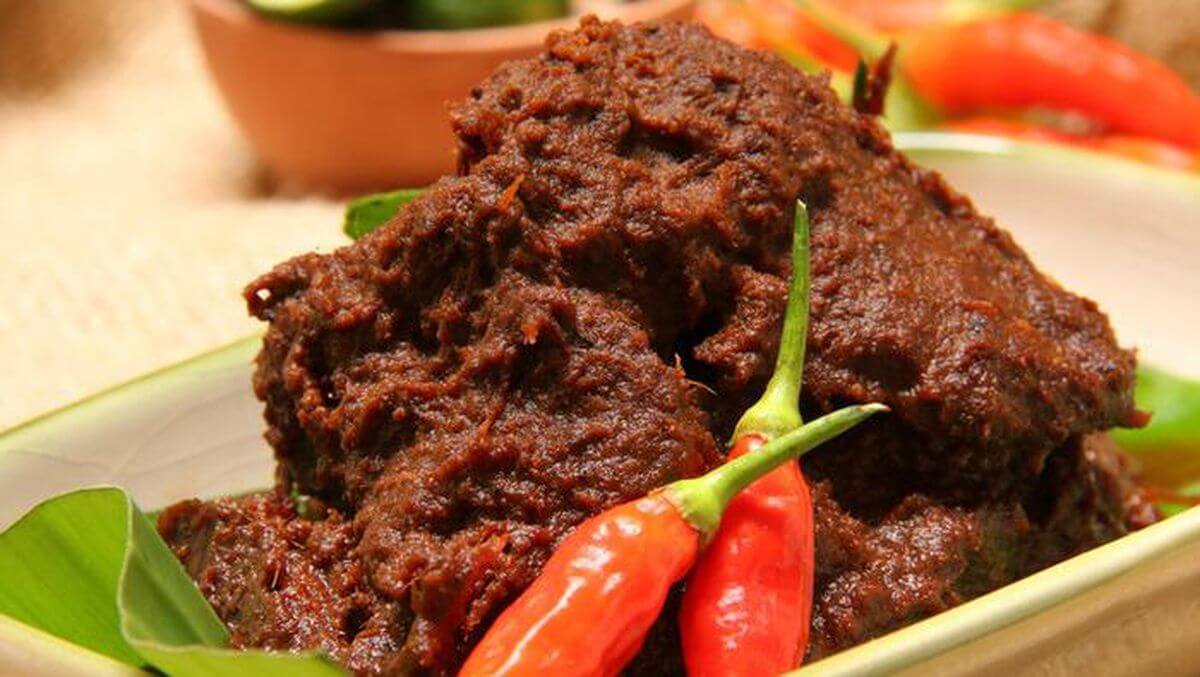
Authentic Indonesian beef rendang served on a plate with rice and fresh garnish, rich in coconut milk and spices

But here’s the good news: you can absolutely make amazing rendang at home, even if you’re not a seasoned chef. In this post, I’ll show you how to cook a practical, no-fuss version of rendang that’s rich in flavor, family-friendly, and won’t take all day (unless you want it to!).

Wait, What Exactly Is Rendang?

If you’re new to Indonesian cuisine, rendang is a traditional dry beef curry from West Sumatra. It’s cooked low and slow in coconut milk and a blend of spices until the liquid evaporates and the sauce turns into a rich, dark coating. The meat becomes tender, the flavor deepens, and you’re left with something that feels almost magical.

It’s usually served during special occasions or celebrations—but trust me, you don’t need to wait for a holiday to enjoy it.

What You’ll Need (Don’t Worry, It’s Not That Complicated)

Here’s a simplified ingredient list that captures the essence of rendang without overwhelming your pantry:

500g beef (brisket or chuck works best), cut into cubes

  • 400ml coconut milk
  • 1 stalk lemongrass, bruised
  • 3 kaffir lime leaves
  • 2 bay leaves
  • Salt and sugar to taste

For the spice paste:

  • 6 shallots
  • 4 garlic cloves
  • 3 red chilies (adjust to your heat level)
  • 1 tsp ground coriander
  • 1/2 tsp ground cumin
  • 1/2 tsp turmeric
  • 1/2 tsp ginger or galangal (fresh or powder)

You can blend all the spice paste ingredients together with a little oil to make it smooth.

If you want a deeper understanding of the ingredients and their cultural role, this guide by Serious Eats is a great reference.

Let’s Cook! Step-by-Step Rendang (No Panic Required)

Homemade Indonesian beef rendang with rich coconut gravy, served with steamed rice and traditional herbs

1. Prep Your Spice Paste

Blend everything into a smooth paste. If you don’t have a blender, you can use a mortar and pestle like the good ol’ days—it’s actually pretty satisfying.

2. Sauté the Paste

In a large pan or wok, heat some oil and sauté the spice paste over medium heat until it’s fragrant. This is when your kitchen starts smelling amazing.

3. Add the Beef and Leaves

Toss in the beef, lemongrass, bay leaves, and kaffir lime leaves. Stir it around until the beef is coated with the spices.

4. Pour in the Coconut Milk

Add the coconut milk and stir well. Bring it to a gentle boil, then lower the heat and let it simmer uncovered. Stir occasionally to prevent burning.

5. Be Patient... but Not Too Patient

This is where the magic happens. Let it simmer for 1.5–2 hours, or until the liquid has reduced and the beef is tender. The oil will separate, and the sauce will become dark and thick.

If you like it a bit “drier” (traditional Minang-style), you can cook it even longer until it turns into a dark caramelized coating. Either way, it's delicious.

6. Final Taste Test

Adjust the salt and sugar to your liking. The balance of salty, spicy, and sweet is what makes rendang so addictive.

Tips for First-Time Rendang Makers

  • Beef choice matters: Go for cuts that do well with long cooking—like chuck or brisket.
  • Don’t rush it: Rendang rewards patience. Low and slow brings out the flavor.
  • Leftovers are gold: Rendang actually tastes better the next day once the flavors settle in.

How to Serve Rendang (Spoiler: Everything Works)

The classic way? With a plate of hot steamed rice, of course. You can also pair it with rice cakes (ketupat or lontong), sautéed greens, or even stuff it in sandwiches or wraps if you're feeling creative.

Final Thoughts: Yes, You Can Totally Do This

If you’ve been nervous about making rendang at home, I hope this post helped ease your fears. It doesn’t have to be complicated or fancy to taste incredible. With a few fresh ingredients, some time, and a little love, you can create a dish that’s as close to restaurant-quality as it gets.

So go ahead—give it a shot this weekend. Your kitchen might get a little messy, but your belly (and your family) will thank you.

And hey, if you do make this, tag me or drop a comment—I’d love to see your version!

Read more

The Secret to Making Authentic Soto Betawi That Tastes Just Like Jakarta

If you’ve ever visited Jakarta, you’ve probably heard of Soto Betawi—a rich, creamy beef soup with bold spices that hits all the right comfort food notes. But here’s the thing: most people think this dish is too complicated to make at home. I’m here to tell you—it’s not.

A bowl of Soto Betawi, Jakarta’s signature creamy beef soup, served with rice and traditional toppings like emping and fried shallots

In this post, I’ll share with you a no-fuss, family-approved recipe that brings all the flavors of Jakarta to your kitchen. You don’t need fancy equipment or rare ingredients—just a little patience and a big appetite.

What Is Soto Betawi, Anyway?

Let’s break it down real quick. “Soto” is basically Indonesia’s answer to soup, and “Betawi” refers to the native people of Jakarta. So, Soto Betawi is a Jakarta-style soup, traditionally made with beef and cooked in a creamy coconut and milk-based broth. It's hearty, savory, and full of warm spices like nutmeg, clove, and cinnamon.

If you're wondering how it compares to other soto, like Soto Ayam or Soto Lamongan, the key difference is the richness of the broth. Soto Betawi is thick, creamy, and luxurious—thanks to the use of coconut milk and dairy milk together.

Ingredients You’ll Need (No Need to Stress!)

You don’t need a trip to Indonesia to find these ingredients—most can be found at Asian grocery stores, or even online. Here's what you’ll need:

  • 500g beef brisket or shank, cubed
  • 1 liter water
  • 200ml coconut milk
  • 200ml full cream milk
  • 2 cloves garlic
  • 6 shallots
  • 1 tsp coriander
  • 1 tsp white pepper
  • 1/2 tsp nutmeg
  • 1 clove
  • 1 small cinnamon stick
  • 2 lemongrass stalks (bruised)
  • 2 kaffir lime leaves
  • Salt and sugar to taste
  • 2 tbsp cooking oil for sautéing

For toppings: fried shallots, chopped celery, tomato slices, and emping crackers (optional but highly recommended!)

Let’s Cook: Step-by-Step Soto Betawi

Traditional Soto Betawi soup served with beef, coconut milk broth, rice, emping crackers, and fresh herbs on the side

1. Boil the Beef

First, place the beef in a large pot, add water, and boil until tender (about 60–90 minutes). Skim off any foam that rises to keep the broth clean and clear. Set the beef aside and strain the broth.

2. Make the Spice Paste

Blend shallots, garlic, coriander, pepper, nutmeg, and clove into a fine paste. Then, sauté this in oil until fragrant—your kitchen should start smelling amazing at this point.

3. Combine Everything

Add the sautéed spice paste into the strained broth. Toss in the cinnamon, lemongrass, and lime leaves. Bring it to a simmer.

4. Time for Creaminess

Lower the heat and slowly pour in the coconut milk and regular milk. Stir gently—don’t let it boil, or the milk might separate. Add salt and a pinch of sugar to taste.

5. Add the Beef Back In

Once the soup is rich and flavorful, toss the beef back in and let it all simmer together for another 10 minutes.

That’s it! You’ve just made authentic Soto Betawi in your own kitchen.

Pro Serving Tips (Trust Me, They Make a Difference)

Serve it hot with a squeeze of lime, a bowl of warm rice, and a side of emping crackers. Sprinkle fried shallots and fresh chopped celery on top for that final touch.

Curious about the cultural background of Soto Betawi? Check out this comprehensive article by Indonesia Travel for more insights.

Why This Recipe Works

This version stays true to the classic flavor while keeping things simple enough for home cooks. The use of both coconut milk and dairy milk gives it a creamy depth that hits differently. It’s the kind of dish that makes your guests go “Whoa, you made this?”

And don’t worry if it’s your first time cooking Indonesian food—this dish is very forgiving. Even if your spice paste isn’t perfect or your broth isn't 5-star-clear, it will still taste amazing.

Can You Store Leftovers?

Absolutely. In fact, Soto Betawi often tastes even better the next day, once all the flavors have had time to mingle. Just store it in an airtight container in the fridge for up to 3 days. Reheat gently over the stove—don’t microwave too hot, or the milk might separate.

Final Thoughts

Making Soto Betawi at home isn’t just about food—it’s about bringing a taste of Jakarta into your life. Whether you’re an Indonesian living abroad, or just someone curious about authentic Southeast Asian flavors, this recipe is a winner. It’s bold, comforting, and surprisingly doable.

So go ahead—grab that pot, put on some tunes, and make something special today.

And hey, if you do try it, I’d love to hear how it turned out! Drop a comment or tag your photos so others can be inspired too.

Read more

The Easiest Homemade Meatballs Your Family Will Crave Every Week

Let’s be honest—there’s just something about meatballs that feels like a warm hug on a plate. Whether it's for a cozy dinner, a weekend treat, or something quick after a long day, homemade meatballs are a family favorite for a reason. They’re juicy, flavorful, and surprisingly easy to whip up with basic kitchen ingredients.

Juicy homemade meatballs served on a wooden plate with dipping sauce, perfect for family meals

In this post, I’ll walk you through how to make simple, delicious meatballs at home—even if you’re not a kitchen pro. Trust me, once you try this, store-bought frozen meatballs just won’t cut it anymore.

Why Make Meatballs at Home?

You might be thinking, "Isn’t it easier to just buy them frozen?" Well, sure, but hear me out. Homemade meatballs aren’t just healthier (you know exactly what’s in them), but they also taste so much better.

Plus, you can tweak the seasoning to suit your family's taste buds. Want them a little spicy? Add chili flakes. More Italian-style? Sprinkle in oregano and basil. The beauty is, it’s all up to you.

Ingredients You Probably Already Have

Here’s what you’ll need for a basic, no-fuss meatball recipe:

  • 500g (1 lb) ground beef or a mix of beef and chicken
  • 1/2 cup breadcrumbs
  • 1 egg
  • 2 cloves garlic, minced
  • 1/2 small onion, finely chopped
  • 1 tsp salt
  • 1/2 tsp pepper
  • 1 tbsp soy sauce (optional but adds umami!)
  • 1 tbsp cooking oil for frying

Feel free to add a sprinkle of parsley or grated cheese if you’re feeling fancy.

Pro Tip: If you want even juicier meatballs, add a splash of milk to your breadcrumbs before mixing. It keeps everything moist and tender.

Step-by-Step: How to Make Meatballs Like a Pro

Step-by-step process of making homemade meatballs like a pro, including mixing, shaping, and cooking techniques


1. Mix Everything in a Bowl

Start by combining all your ingredients in a large bowl. You can use a spoon, but honestly, your hands are your best tools here. Just make sure they’re clean! Mix until everything is just combined—don’t overwork it, or your meatballs might turn out tough.

2. Shape Into Balls

Take a spoonful of the mixture and roll it into a ball—about the size of a ping-pong ball works best. You should get around 15–18 meatballs from this batch.

3. Fry or Bake? Your Call

Heat a pan over medium heat with a bit of oil and fry the meatballs until golden brown on all sides (about 8–10 minutes). If you’re trying to go light on the oil, you can also bake them in a 180°C (350°F) oven for about 20 minutes.

Either way, make sure they’re cooked through. You can cut one open to check—it should be no longer pink inside.

4. Serve ‘Em Up!

You can eat them just like that with some ketchup or chili sauce, or toss them into spaghetti for a classic meatball pasta. They also go great in a sandwich with melted cheese or as finger food with a sweet and sour glaze.

Storage Tips: Save Some for Later

These meatballs are super freezer-friendly. Just let them cool, then pop them into a ziplock bag and freeze. When you’re ready to eat, heat them up in the microwave or pan and they’re good to go!

For food safety info, you can check out FDA’s food storage guidelines.

What Makes This Recipe Special?

Aside from being quick and customizable, this recipe brings that homemade love into your kitchen. It's perfect for busy weekdays or even weekend meal prep. And since it's kid-approved (trust me, picky eaters love it!), it's an easy win for family meals.

Final Thoughts

There you have it—a no-stress, no-mess way to make meatballs that are bursting with flavor. Cooking for your family shouldn’t feel like a chore. With simple recipes like this, it becomes something enjoyable. And who knows? Maybe these meatballs will turn into a weekly tradition at your place.

If you try this recipe, let me know how it went in the comments. Or even better—share a photo!

Read more

This Easy Malang-Style Fried Rice Recipe Will Ruin Regular Fried Rice for You

If you're like me, fried rice is that one go-to dish when you're hungry, lazy, or just want something fast and satisfying. But have you ever tried nasi goreng Malang — the local version from East Java’s charming city of Malang?

Plate of Indonesian Malang-style fried rice with sliced sausage, chicken, egg, and prawn crackers, served with cucumber and tomato.

Let me tell you, once you’ve had it, plain ol’ fried rice just won’t cut it anymore.

In this post, I’m going to show you exactly how to whip up this bold, flavorful dish at home — no fancy equipment, no hard-to-find ingredients. Just honest, delicious Indonesian comfort food that’s ready in under 30 minutes.

What Makes Malang Fried Rice Different?

So, what’s so special about Malang’s take on fried rice?

Well, while classic Indonesian fried rice (nasi goreng) usually uses sweet soy sauce (kecap manis), Malang’s version often leans more savory, spicier, and a little smokier. It’s the kind of meal street vendors whip up over roaring charcoal flames in the dead of night — and yeah, it totally hits different.

It also typically includes a mix of protein like shredded chicken, beef sausage, and even meatballs, making it super satisfying and hearty.

Want to see what the streets of Malang’s food scene look like? Here’s a cool feature from Indonesia’s official travel site that gives you a peek.

Ingredients You'll Need (Nothing Too Crazy, Promise)

Main:

  • 2 cups cooked rice (preferably cold, day-old rice works best)
  • 2 cloves garlic, minced
  • 3 shallots, sliced
  • 1 egg
  • ½ cup cooked shredded chicken
  • 2 beef sausages, thinly sliced
  • 2 meatballs (optional), thinly sliced
  • 2 tbsp oil for frying

Seasonings:

  • 1 tbsp soy sauce
  • 1 tbsp sweet soy sauce (kecap manis)
  • ½ tsp oyster sauce
  • Salt and pepper to taste
  • 1 red chili, sliced (optional, if you like a kick)

Toppings (Optional but Recommended):

  • Fried shallots
  • Sliced cucumber
  • Tomato wedges
  • Prawn crackers (kerupuk)
  • A sunny side up egg

Let’s Get Cooking

Step 1: Prep Your Ingredients

Make sure all your toppings and proteins are ready to go. This dish moves fast once the heat is on, so get your mise en place set.

Step 2: Sauté the Aromatics

In a hot pan or wok, add oil, garlic, and shallots. Stir-fry until fragrant and golden. Add your sliced chili if you're using it — this is where the magic begins.

Step 3: Add the Proteins

Toss in the shredded chicken, sausage, and meatballs. Stir-fry until everything is heated through and slightly crispy on the edges.

Step 4: Push Aside, Scramble the Egg

Push the mixture to the side of the pan, crack in an egg, and scramble it right there. Once it’s cooked, mix everything together.

Step 5: Add the Rice

Now add your rice, breaking it up with the back of your spatula if needed. Stir-fry on high heat for that lovely “wok hei” — that smoky aroma street food dreams are made of.

Step 6: Season Like a Pro

Add in soy sauce, sweet soy sauce, oyster sauce, salt, and pepper. Stir and toss everything until the rice is evenly coated and slightly caramelized.

Step 7: Plate It Up

Serve hot with fried shallots sprinkled on top, and those classic sides: cucumber, tomato, a fried egg, and of course, crunchy prawn crackers.

Why This Dish Always Hits the Spot

Close-up of Malang-style fried rice with savory meats and fried egg, capturing rich, nostalgic Indonesian flavors in every bite.

This isn’t just about convenience. Malang-style fried rice brings deep, nostalgic flavors. It’s bold without being overwhelming. Savory, slightly sweet, a little smoky, and totally satisfying.

Even if you’ve never been to Indonesia, this dish can take you there — no passport required.

Tips to Make It Even Better

  • Use cold rice: Fresh rice gets mushy. Day-old rice is drier and gives the best texture.
  • Don’t skip the egg: The egg adds richness and binds the whole dish together.
  • Crank up the heat: High heat gives you that signature slightly charred, smoky flavor.

If you want to read more about why cold rice works best for fried rice, check out Serious Eats' science-backed article — it’s actually pretty fascinating.

Final Thoughts: Street Food Vibes in Your Own Kitchen

Cooking doesn’t have to be complicated to be amazing. Malang-style fried rice proves that. It’s simple, flavorful, and customizable. You can switch up the proteins, go vegetarian, or spice it up even more.

Next time you’re stuck wondering what to cook, remember this gem. Your taste buds (and your wallet) will thank you.

Tag a friend who loves fried rice, or better yet — cook it together and have your own little night market at home!

Read more

How to Make Rujak: The Addictively Spicy Indonesian Fruit Salad You Didn't Know You Needed

Let’s be real — sometimes you just want something that shocks your taste buds in the best way possible. Enter rujak, a wildly popular traditional dish from Indonesia that combines tropical fruits with a fiery, tangy sauce that’ll make you go “Whoa… I need more of this!”

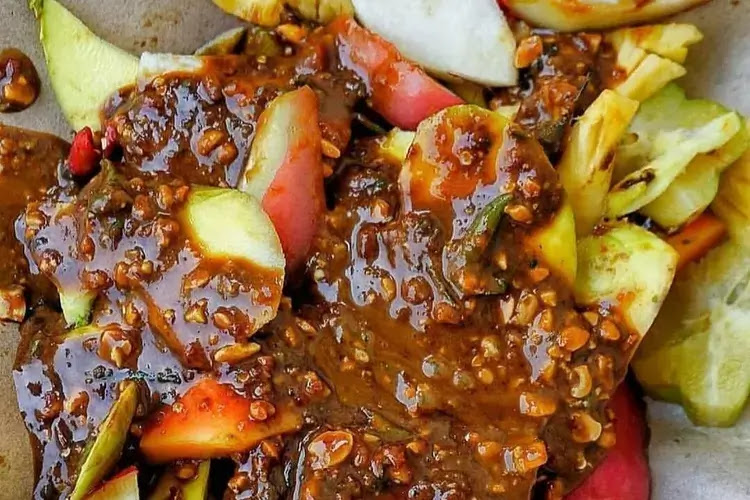
Colorful plate of Indonesian rujak buah with pineapple, cucumber, and green mango coated in spicy palm sugar sauce.

If you’ve never tried it before, rujak might sound a little out there. Fruit and chili? Together? Trust me, it works. And once you try it, you’ll wonder how you ever lived without it.

In this post, I’ll walk you through what rujak is, why it’s so special, and most importantly — how to make your own killer version at home.


What is Rujak, Really?

Rujak (or rojak, depending on the region) is a traditional fruit and vegetable salad found across Indonesia, Malaysia, and parts of Southeast Asia. But in Indonesia, especially in Java and Bali, it has a unique spicy-sweet punch that sets it apart.

There are a few different versions, but the one we’re diving into today is Rujak Buah — a fruit-based version that’s insanely refreshing with just the right amount of heat.


Why People are Obsessed with Rujak

Close-up of a spicy Indonesian rujak salad with mixed tropical fruits and thick chili-palm sugar sauce, showing vibrant colors and irresistible texture that explains its popularity.

It’s not just the bold flavors — it’s the experience. The combination of fresh, crunchy tropical fruits (think pineapple, jicama, cucumber, mango) with a thick, spicy, palm sugar-based sauce is unlike anything else. It hits every flavor note: sweet, sour, salty, and spicy.

This snack is perfect for hot weather, afternoon cravings, or impressing your friends with something totally unique. Plus, it's naturally gluten-free and vegan!


Ingredients You’ll Need

Here’s the beauty of rujak: it’s super flexible. You can use whatever fruit you like, as long as it’s firm and a bit tart.

Fruits:

  • 1 green mango (slightly unripe)
  • ½ pineapple
  • 1 cucumber
  • ½ jicama (a.k.a. yam bean)
  • 1 starfruit or apple (optional)

For the spicy sauce:

  • 3 tablespoons palm sugar
  • 2 red chili peppers (adjust to taste)
  • ½ teaspoon shrimp paste (optional for extra umami)
  • 1 tablespoon tamarind paste
  • A pinch of salt
  • A squeeze of lime juice


Let’s Make It!

1. Prep Your Fruits

Peel and slice all the fruits into bite-sized chunks. Keep them chilled in the fridge while you make the sauce — trust me, cold fruit makes it extra refreshing.

2. Make the Sauce

In a mortar and pestle (or food processor if you're in a rush), grind the chili peppers with salt and shrimp paste (if using). Then add palm sugar and tamarind paste. Keep grinding until it turns into a thick, dark paste. Add a little water to loosen it up and squeeze in some lime juice for a zingy kick.

3. Toss & Serve

Pour the sauce over your fruit, give it a gentle toss, and boom — your spicy, juicy rujak is ready to rock your world.


Pro Tips to Level Up Your Rujak Game

  • Balance is everything. Taste your sauce before adding it to the fruit. It should be bold but not overwhelming.
  • Use a mix of textures. Soft fruits like papaya don’t work well here. Crunchy is the name of the game.
  • Adjust the heat. Not everyone likes it burning hot, and that’s okay! Start with fewer chilies and build up.


The Cultural Side of Rujak

Rujak isn't just a snack — it’s got cultural roots too. In some Javanese communities, it’s part of traditional ceremonies. It’s also a favorite craving during pregnancy, which is kinda cool when you think about how our bodies just know what they want.

For a deeper dive into Indonesian culinary traditions, check out Indonesia Travel’s official food guide.


Final Thoughts: Make It, Taste It, Crave It Again

Rujak is the kind of dish that doesn’t ask much but gives back a lot. It’s ridiculously simple, totally customizable, and a real conversation starter. Whether you're new to Indonesian food or just looking to spice up your snack routine, this is your sign to give rujak a try.

So go ahead, grab those fruits, fire up your blender (or get old school with a mortar), and let your taste buds take a little tropical vacation.

And hey — if you make it, tag me! I'd love to see your rujak creations.

Read more

This Homemade Jajangmyeon Recipe Will Ruin Takeout for You (In the Best Way)

Ever watched a K-drama and suddenly found yourself craving that thick, glossy bowl of black bean noodles everyone’s slurping down like it’s the best thing ever? Yeah—same here. That dish, friends, is jajangmyeon (짜장면), and the best part is… you can totally make it at home.

Korean jajangmyeon noodles with rich black bean sauce, served with cucumber garnish and sesame seeds

You don’t need to be a pro chef. You don’t even need a fancy wok. This is your no-stress, super-satisfying jajangmyeon recipe that tastes legit and only uses ingredients you can actually find. Let’s dig in.

What is Jajangmyeon, Anyway?

Jajangmyeon is one of Korea’s most iconic comfort foods. It’s made with noodles smothered in a savory black bean sauce, usually served with pork, onions, zucchini, and sometimes potatoes or cabbage. It originated from Chinese-style zhajiangmian but has since evolved into something uniquely Korean.

Fun trivia: Koreans love eating jajangmyeon on Black Day (April 14)—a kind of anti-Valentine’s Day for singles. You can read more about it on Korea.net.

🛒 Ingredients You’ll Need

Here’s what you’ll need for an easy, homemade version of jajangmyeon. No stress, no crazy shopping trips.

For the Sauce:

  1. 2–3 tbsp Chunjang (Korean black bean paste) – the star of the show

  2. 1 tbsp sugar

  3. ½ cup pork belly or ground pork

  4. ½ onion, diced

  5. ½ zucchini, diced

  6. ½ potato, peeled and diced (optional but great for texture)

  7. 1 tbsp soy sauce

  8. 1 cup water or chicken broth

  9. 1 tbsp cornstarch + 2 tbsp water (to thicken the sauce)

  10. 1 tbsp vegetable oil (plus 1 tsp sesame oil at the end, optional)

For the Noodles:

  1. 2 servings of fresh or dried wheat noodles (labeled "Jajangmyeon" or "udon-style")

  2. Optional toppings: julienned cucumber, boiled egg, sesame seeds

You can grab Chunjang and the noodles at any Korean or Asian market. Or order online via H Mart or KoreanMall.

👨‍🍳 Let’s Make It: Easy Jajangmyeon in 6 Steps


1. Prep the Ingredients

Chop everything ahead of time so you’re ready to roll. Dice the onion, zucchini, pork, and potatoes into small bite-sized cubes.

2. Stir-Fry the Chunjang

Heat 1 tbsp of oil in a pan. Add 2–3 tbsp of Chunjang and fry it gently for about 1–2 minutes. This helps mellow the bitterness and deepens the flavor. Set it aside.

3. Cook the Pork & Veggies

In the same pan, add pork and cook until it’s no longer pink. Add the onions, potatoes, and zucchini. Stir-fry for a few minutes until softened.

4. Combine the Sauce

Add the stir-fried Chunjang back into the pan with the veggies and pork. Pour in 1 cup of water or broth, soy sauce, and sugar. Let it simmer for 5–8 minutes, until everything is tender.

5. Thicken the Sauce

Mix cornstarch with a little water and pour it into the pan while stirring. The sauce should become thick and glossy.

6. Cook and Drain the Noodles

Boil your noodles according to the package instructions. Drain and rinse lightly under cold water to prevent sticking.

🍜 Serve!

Plate the noodles and pour the black bean sauce generously on top. Top with cucumber strips, a sprinkle of sesame seeds, or a boiled egg if you’re feelin’ fancy.

🤤 What Does It Taste Like?

Imagine savory meets slightly sweet with a deep umami punch and chewy noodles soaking up every drop. Jajangmyeon is rich, comforting, and surprisingly balanced. It's not spicy, so it's perfect for all palates—even picky eaters.

💡 Tips for Perfect Jajangmyeon

  1. Don’t skip frying the black bean paste — raw Chunjang can taste bitter if not cooked properly.

  2. Make a big batch — the sauce keeps well in the fridge for a few days. Great for meal prep!

  3. Customize it — go veggie, add shrimp, or toss in mushrooms for your own twist.

Where to Find Chunjang (Black Bean Paste)

Look for Chunjang at Korean supermarkets or online. Make sure you get the uncooked version (the paste, not pre-made sauce) so you can control the flavor. Trusted sources include H Mart, Korean Mall, or Amazon’s Korean food section.

Final Thoughts: Jajangmyeon is the Real Deal

Once you’ve tried real jajangmyeon, it’s hard to go back to instant noodles. There’s something deeply satisfying about those chewy noodles coated in thick, flavorful sauce. And now that you know how easy it is to make at home? You might never order takeout again.

Trust me—this one’s going in your comfort food rotation. Don’t forget to slurp!

Read more

This Spicy Korean Tteokbokki Recipe Is So Easy, It’ll Blow Your Mind

 Let me guess—you’ve binge-watched a few K-dramas, seen that bright red, spicy-looking dish everyone seems obsessed with, and now you’re wondering: Can I actually make tteokbokki at home without fancy ingredients or spending hours in the kitchen?

Spicy Korean tteokbokki rice cakes simmering in gochujang sauce, topped with green onions and sesame seeds

Short answer: YES. And in today’s post, I’m showing you exactly how. This isn’t one of those complicated recipes with hard-to-find ingredients. This is the no-fuss, easy tteokbokki you can whip up in your kitchen tonight—with stuff you can grab at your local grocery store or Asian market.

Wait, What’s Tteokbokki?

If you're new to Korean cuisine, tteokbokki (떡볶이) is a spicy, chewy rice cake dish that’s a staple of Korean street food. It’s sweet, savory, fiery, and downright addictive. The star of the show is garaetteok, cylindrical rice cakes that get simmered in a bold gochujang-based sauce.

Fun fact: Tteokbokki has been around since the Joseon Dynasty. You can read more about its traditional roots on Korea.net’s official food culture page.

Today’s version is the spicy kind that’s become a street food superstar.

🛒 Ingredients You’ll Need (Nothing Fancy!)

Here’s the good news: you don’t need to be a Korean grandma or a professional chef to make this dish.

Basic Ingredients:

  1. Garaetteok (Korean rice cakes) – you can use refrigerated or frozen ones

  2. Fish cakes (optional but recommended) – they soak up flavor like a dream

  3. Gochujang (Korean red chili paste) – a must-have for the sauce

  4. Gochugaru (Korean red pepper flakes) – for extra kick (optional)

  5. Soy sauce

  6. Sugar

  7. Garlic (minced)

  8. Green onions

  9. Water or anchovy broth

Optional add-ons:

  1. Boiled eggs

  2. Mozzarella cheese

  3. Cabbage or scallions

Tip: If you’re missing gochujang, you can usually find it at an Asian grocery store or online at H Mart, which delivers nationwide.

🧑‍🍳 Let’s Cook: Easy Tteokbokki in 6 Steps

No pressure, no chef hat required. Just follow this simple process.

1. Soak Your Rice Cakes

If using refrigerated or frozen tteok, soak them in warm water for about 10–15 minutes. This helps soften them up before cooking.

2. Make the Sauce

In a bowl, mix together:

  1. 2 tablespoons gochujang

  2. 1 tablespoon sugar

  3. 1 tablespoon soy sauce

  4. 1 teaspoon gochugaru (optional)

  5. 2 cloves garlic (minced)

3. Heat the Broth

In a medium pan, bring 2 cups of water or anchovy broth to a simmer. Anchovy broth gives a deeper umami flavor, but water works fine too.

4. Add the Sauce & Stir

Pour the sauce mixture into the simmering liquid. Stir well until everything dissolves and combines.

5. Add Rice Cakes and Fish Cakes

Toss in your soaked rice cakes and fish cakes. Let them cook in the bubbling sauce for 8–10 minutes until the rice cakes become soft and chewy, and the sauce thickens.

6. Top with Green Onions (and Cheese if You Like)

Turn off the heat, throw in some chopped scallions or shredded cheese, and let it melt into gooey perfection.

Boom—you’re done!

😋 What Does It Taste Like?

Tteokbokki is the ultimate comfort food: spicy, slightly sweet, rich, and incredibly chewy. It’s kind of like if pasta got a Korean makeover and became way cooler. It’s warm, hearty, and somehow manages to be both a snack and a full meal at the same time.

🧠 Tteokbokki Tips From Someone Who's Been There

  1. Don’t overcook the rice cakes – they’ll get mushy. You want that chewy “QQ” texture.

  2. Add a boiled egg – seriously, the sauce + egg = chef’s kiss.

  3. Make it cheesy – melt some mozzarella on top for a Korean street food twist that’s gone viral.

  4. Reheat gently – microwave tteokbokki with a splash of water so it doesn’t dry out.

Where Can I Get the Ingredients?

No Asian store nearby? No worries. Trusted online sources like Korean Mall or Amazon’s international food section are great for stocking your pantry with gochujang, rice cakes, and more.

Final Thoughts: Tteokbokki Is a Vibe

Look, there’s a reason tteokbokki shows up in practically every Korean drama. It’s cozy, satisfying, and surprisingly easy to make. Once you’ve got the basic method down, you can tweak it to your heart’s content—make it spicier, cheesier, or even throw in ramen noodles for rabokki (yep, that’s a thing too).

So the next time you’re craving something bold and comforting, skip the takeout and whip this up at home instead. Your tastebuds (and your wallet) will thank you.

Read more

You Won’t Believe How Easy It Is to Make Gimbap at Home!

Ever wanted to make Korean gimbap but thought it was too complicated? You're not alone. I used to feel the same way—until I actually gave it a try. Spoiler alert: it’s way easier than it looks, and ridiculously tasty too.

Homemade Korean gimbap sliced and served on a plate with dipping sauce

Today, I’m walking you through how to make gimbap (김밥) that’s not only beginner-friendly, but also totally Instagram-worthy. Let’s roll!

What Even Is Gimbap?

If you're new to Korean food, gimbap might look like sushi at first glance. And yeah, visually it’s similar—but the flavor profile is totally different. Gimbap is a Korean rice roll wrapped in seaweed and packed with tasty fillings like veggies, pickled radish, and sometimes meat or egg. It’s basically Korea’s answer to the ultimate lunchbox snack.

Want to nerd out on the cultural background of gimbap? The Korean Cultural Center has a great write-up on it.

🛒 What You’ll Need

Before we get rolling (pun intended), let’s talk ingredients. Here’s a simple list to start with. Feel free to get creative later!

Core Ingredients:

  1. Cooked short-grain rice (preferably slightly warm)

  2. Roasted seaweed sheets (aka gim/nori)

  3. Sesame oil & salt (to season the rice)

  4. Pickled radish (yellow danmuji—you can find it at any Asian grocery store)

  5. Carrot (julienned and sautéed)

  6. Spinach or other leafy greens (blanched & seasoned)

  7. Egg (cooked like an omelette and sliced)

  8. Optional protein: Crab sticks, bulgogi beef, spam, or tofu strips

🧑‍🍳 Step-by-Step: How to Make Gimbap

You don’t need to be a pro to nail this. Just follow along:

1. Season the Rice

Once your rice is cooked, mix in a bit of sesame oil and salt. Don’t skip this step—it adds that signature nutty flavor.

2. Prep the Fillings

Julienne everything thinly so it rolls up nicely. Quick tip: sauté carrots with just a pinch of salt for extra flavor.

3. Lay It All Out

Place a sheet of seaweed (shiny side down) on a bamboo mat. Spread rice evenly over 2/3 of the sheet.

4. Add Your Fillings

Line up your ingredients in the center, like little flavor soldiers ready for duty.

5. Roll It Tight

Use the mat to roll everything up, pressing gently but firmly. Think “snug burrito,” not “crushed taco.”

6. Slice & Serve

Brush the roll with a little sesame oil for shine, then slice with a sharp knife. Wipe the blade between cuts for clean slices.

🥢 Bonus Tips for Gimbap Greatness

  1. Don’t overfill: Keep it neat and compact

  2. Use plastic gloves or wrap for rice: Sticky hands are the enemy

  3. Pack for lunch: Gimbap travels well—just don’t refrigerate too long or the rice gets hard

Where to Get Authentic Ingredients

Can’t find danmuji or seaweed locally? Try ordering online from trusted sources like H Mart or Korean Mall. They ship worldwide!

Final Thoughts: Make It Your Own

That’s the beauty of gimbap—it’s super versatile. Once you get the basics down, you can start experimenting with fusion versions (think kimchi tuna gimbap, or even breakfast gimbap with bacon and eggs).

Trust me, once you try it, you’ll be hooked.

Read more

Xi Jinping and Malaysian PM Agree to Deepen Bilateral Relations

In a significant diplomatic encounter, Chinese President Xi Jinping and Malaysian Prime Minister Anwar Ibrahim have reaffirmed their commitment to expanding bilateral relations. The meeting, held during a broader Southeast Asian diplomatic push, marks a deepening of economic, political, and strategic cooperation between China and Malaysia — two nations with a long-standing history and growing interdependence.


A Strategic Meeting in a Shifting Region

The high-level meeting between Xi and Anwar Ibrahim comes amid shifting global alliances and intensifying U.S.-China competition in Asia. Against this backdrop, Malaysia is positioning itself as a pragmatic regional partner, willing to work with both powers while protecting its national interests.

Xi Jinping praised Malaysia's commitment to regional stability and development, while Anwar emphasized the mutual benefits of a “balanced and respectful” relationship with China. Malaysia-China relations overview


Economic Expansion Through the Belt and Road Initiative

One of the focal points of the talks was the Belt and Road Initiative (BRI), with both sides agreeing to accelerate existing projects and explore new avenues of cooperation in energy, logistics, and technology.

The revival of Malaysia's East Coast Rail Link (ECRL), a major BRI-backed infrastructure project, symbolizes this renewed momentum. Once completed, the ECRL will connect the eastern and western coasts of Peninsular Malaysia, enhancing trade and logistics not just domestically, but across the region. Learn more about ECRL


Digital Economy and High-Tech Partnerships

Beyond physical infrastructure, Xi and Anwar also committed to deepening ties in digital innovation and high-tech industries. This includes collaboration on 5G networks, artificial intelligence, and smart city initiatives, which are seen as vital for Malaysia’s long-term development strategy.

China’s tech giants, such as Huawei and Alibaba, already play a significant role in Malaysia’s digital ecosystem, and this new phase of partnership will likely see even deeper integration. Digital Silk Road insights


Cultural and Educational Exchange

The two leaders also emphasized the importance of people-to-people connectivity, agreeing to increase student exchange programs, cultural cooperation, and Mandarin language initiatives in Malaysian institutions. This reflects a broader soft-power strategy from China and Malaysia’s willingness to foster deeper ties beyond economics and politics.

Educational and cultural exchanges are viewed as a long-term investment in trust-building between the two nations. Malaysia-China cultural relations


Conclusion: A Model for Regional Diplomacy

The meeting between Xi Jinping and Prime Minister Anwar Ibrahim signifies more than bilateral goodwill. It’s a statement about how Southeast Asian nations like Malaysia are navigating global rivalries with strategic confidence and cooperation.

By choosing to engage deeply with China while maintaining a balanced foreign policy, Malaysia is crafting its own path — one that prioritizes national interests, regional stability, and shared prosperity.

As the world tilts toward multipolarity, such bilateral efforts will define not just economic futures, but the geopolitical shape of Asia itself. ASEAN-China cooperation.

Read more

Xi Jinping Accelerates the Belt and Road Initiative Across ASEAN

In a calculated yet powerful diplomatic move, Chinese President Xi Jinping is ramping up efforts to extend the reach of the Belt and Road Initiative (BRI) across ASEAN countries. This initiative, which once focused primarily on infrastructure development, has evolved into a broader economic and political strategy that redefines China’s role in Southeast Asia.


The Belt and Road: More Than Just Infrastructure

Originally launched in 2013, the Belt and Road Initiative aimed to connect Asia, Europe, and Africa through massive infrastructure investment. Today, it has become a central tool in China's foreign policy — and ASEAN, with its vibrant economies and strategic sea lanes, is now at the heart of Xi Jinping’s vision.

During his recent visits to several ASEAN countries, Xi emphasized that the BRI is entering a “high-quality development phase.” This includes not just roads and railways, but also digital connectivity, green energy projects, and cross-border e-commerce. Learn more about BRI


Deepening ASEAN Ties Through Investment

China is already ASEAN’s largest trading partner, but Xi Jinping aims to deepen these ties by accelerating investment under the BRI framework. Countries like Indonesia, Thailand, and Laos are seeing fast-moving developments in transport, manufacturing, and energy sectors — often funded and constructed by Chinese companies.

For instance, the Jakarta-Bandung High-Speed Rail, Southeast Asia’s first bullet train project, is a flagship symbol of China’s BRI success in the region. Read about the project

Similarly, Laos’ China-Laos railway, which connects the landlocked country to Chinese markets, is already boosting tourism and exports. These projects aren't just economic tools — they are geopolitical instruments designed to forge long-term influence. China-Laos Railway impact


Digital Silk Road: A New Frontier

In addition to physical infrastructure, Xi is actively promoting the Digital Silk Road — a sub-initiative of the BRI. This includes collaboration in 5G networks, cloud computing, and e-commerce platforms. ASEAN nations, which have booming digital economies, stand to benefit significantly from this technological boost.

However, this also raises questions about cyber sovereignty and digital dependence on China. Countries like Vietnam and Malaysia are cautiously engaging, balancing the benefits of investment with concerns over security and data privacy. What is the Digital Silk Road?


Geopolitical Calculations Behind the Initiative

Xi Jinping’s drive to expand BRI across ASEAN isn't solely about economics. It’s a strategic move to counter U.S. influence and assert China as the primary development partner for the region. By offering flexible funding and faster implementation, Beijing is often able to outpace Western-backed alternatives.

At the recent ASEAN-China Summit, Xi called for “joint development, shared prosperity,” emphasizing multilateral cooperation free from external pressure. This message resonates in a region that prefers strategic neutrality. ASEAN’s response to BRI


Conclusion: A Future Paved by the Belt and Road

Xi Jinping’s intensified push of the Belt and Road Initiative across ASEAN is reshaping the economic and political landscape of the region. From high-speed railways to digital infrastructure, the BRI represents China’s ambition to become not just a trade partner, but a regional architect.

While challenges remain — from debt sustainability to geopolitical pushback — one thing is certain: China’s blueprint for ASEAN is vast, strategic, and here to stay.

Read more

Xi Jinping’s Economic and Political Agenda in Southeast Asia

As the world watches shifting geopolitical tides, China’s President Xi Jinping is steering his diplomatic compass toward Southeast Asia — a region growing in both economic clout and strategic relevance. Far from symbolic, his recent visits and bilateral discussions reveal a larger agenda: strengthening China's foothold through synchronized political diplomacy and economic engagement.


Economic Diplomacy in Action

Xi Jinping’s tour included strategic stops in Vietnam, Malaysia, and Cambodia — each chosen not just for friendship, but for economic leverage. Through these visits, Xi sought to expand the Belt and Road Initiative (BRI), a massive infrastructure plan designed to increase China’s global influence.

In Malaysia, discussions centered around digital economy cooperation, green energy transitions, and port logistics. These align perfectly with China's long-term economic vision to control vital trade routes and create infrastructure corridors. Read more about the BRI

Vietnam, though cautious due to South China Sea tensions, welcomed deeper economic collaboration in tech and agriculture. This careful diplomacy reflects China’s interest in mitigating friction while maintaining trade growth. South China Sea overview

Cambodia, long a close ally of Beijing, went further by signing over 30 agreements, reaffirming its role as a key partner in China’s regional development strategy. China-Cambodia Relations


Political Influence and Regional Realignment

Beyond trade and investment, Xi's presence in Southeast Asia underscores a strategic push to reposition China as the region’s political center of gravity. His meetings emphasized principles of sovereignty, non-interference, and regional self-determination — key points aimed at countering U.S. influence in Asia.

By offering infrastructure and funding without demanding internal political reforms, China continues to present itself as a partner with “no strings attached.” For many Southeast Asian nations, this model is attractive, particularly when Western alternatives come with lengthy negotiations and conditions. China’s Global Political Strategy


Why Southeast Asia? Why Now?

Southeast Asia has become a strategic crossroads — not just economically, but politically. With tensions rising over Taiwan and continued friction with the U.S., Xi Jinping is shoring up alliances where he can find them. This region, home to over 650 million people, offers Beijing access to vital sea lanes, booming digital economies, and fast-growing consumer markets.

Moreover, ASEAN nations have demonstrated a willingness to engage with both superpowers while protecting their autonomy. China knows this and is doubling down on its diplomatic charm offensive. ASEAN-China Economic Cooperation


Where Does This Lead?

Xi Jinping’s Southeast Asia agenda is more than economic. It is a multidimensional strategy to establish China as an indispensable regional partner, both in infrastructure and ideology. For China, ensuring stability and deep ties here is vital not just for trade — but for building an alternative world order where Beijing holds the pen.

Whether this effort succeeds will depend on how Southeast Asian countries balance China's offers with their own national interests and the broader dynamics of U.S.-China rivalry.


Conclusion: Xi’s Long Game in the South

Xi Jinping’s recent actions aren’t just diplomatic formalities. They represent the core of a long-term economic and political vision that places Southeast Asia at the heart of China’s global ambitions. For those paying attention, the message is clear: China is not retreating — it's rewriting the rules of engagement in its own backyard.

Read more

Xi Jinping’s Southeast Asia Power Move: Strengthening Regional Strategic Alliances

China’s President Xi Jinping is once again making headlines — this time, not through economic numbers or military posturing, but via diplomacy. His recent trip across Southeast Asia wasn’t just another state visit. It was a well-calculated step to reshape regional partnerships, deepen economic ties, and subtly counterbalance Western influence in one of the world’s fastest-growing regions.


Strategic Stops: Vietnam, Malaysia, and Cambodia

Xi’s itinerary was anything but random. His stops in Vietnam, Malaysia, and Cambodia signaled where China sees potential for both political alignment and economic growth.

In Malaysia, Xi was welcomed with optimism. Both nations agreed to strengthen collaboration in green energy, high technology, and cross-border logistics. Their joint statement emphasized trust and mutual benefit — cornerstones of China’s Belt and Road Initiative. Read more on BRI

Over in Vietnam, the visit took on a tone of subtle reassurance. Despite long-standing maritime disputes, both governments highlighted their commitment to a stable South China Sea and pledged to maintain diplomatic communication. These kinds of moves show China’s desire to resolve regional friction through bilateral mechanisms. South China Sea Dispute Overview

Cambodia, a long-time ally, went further than most. Over 30 new agreements were signed across infrastructure, agriculture, and trade. With this, Cambodia continues to serve as one of China’s most loyal partners in the region. Analysis: China-Cambodia Strategic Ties


Why Southeast Asia Matters More Than Ever

Southeast Asia is emerging as a new center of global commerce, with young populations, rising digital economies, and strategic maritime routes. For China, this region offers an opportunity to lead multilateral development while reducing dependency on Western markets.

Xi’s diplomacy is clearly focused on forging long-term, multipolar partnerships that prioritize regional connectivity, energy transition, and trade. This isn’t just about business — it’s about influence.

One could argue that China is carefully building a coalition of reliable partners through sustained soft power and strategic investments. Explore ASEAN’s development strategies


The Missing Piece: Where is Indonesia?

Indonesia’s absence from Xi Jinping’s itinerary did not go unnoticed. As Southeast Asia’s largest economy and a major partner in several Belt and Road projects, many expected Jakarta to be a key stop.

President Prabowo’s earlier visit to China had sparked expectations of deeper engagement. Analysts believe Indonesia may have chosen to keep discussions more private for now, or that China is pacing its diplomatic engagement with Indonesia more cautiously. Indonesia-China Relations Overview


Conclusion: A Quiet, Strategic Reshaping of the Region

Xi Jinping’s visit may not have made global front-page news, but its implications run deep. This wasn’t just a diplomatic courtesy call. It was a demonstration of how China intends to lead — not just by economic might, but through steady, strategic, and purposeful regional diplomacy.

For ASEAN nations, the choice is clear but complex: embrace Chinese partnerships and gain fast-track development, or hedge bets in a world increasingly defined by rivalry. Whatever they choose, China’s presence in Southeast Asia is now more entrenched than ever.

Read more